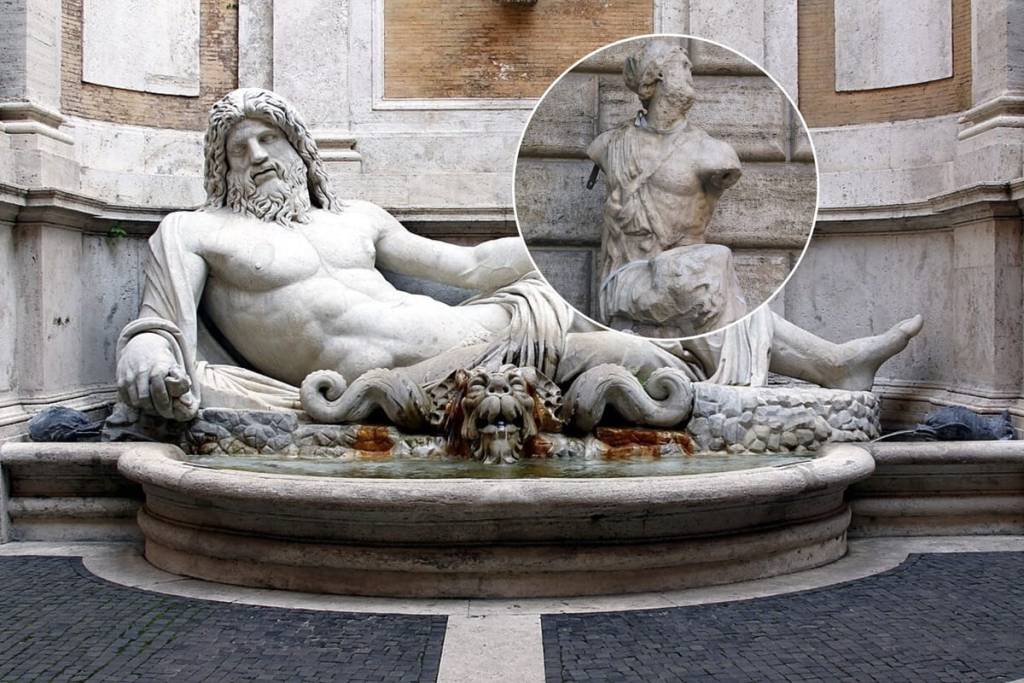
Pasquino, by Architas - Own work, CC BY-SA 4.0

If you look closely, Rome’s statues speak to us. This isn’t just a figure of speech, but a tradition that has continued for centuries. The six “talking statues” of Rome tell us stories, amusing anecdotes, and idioms. All (except one) are of Roman origin, but they were rediscovered and “put to use” starting in the Renaissance for a tradition that has survived to this day: criticizing and mocking those in power.
Pasquino
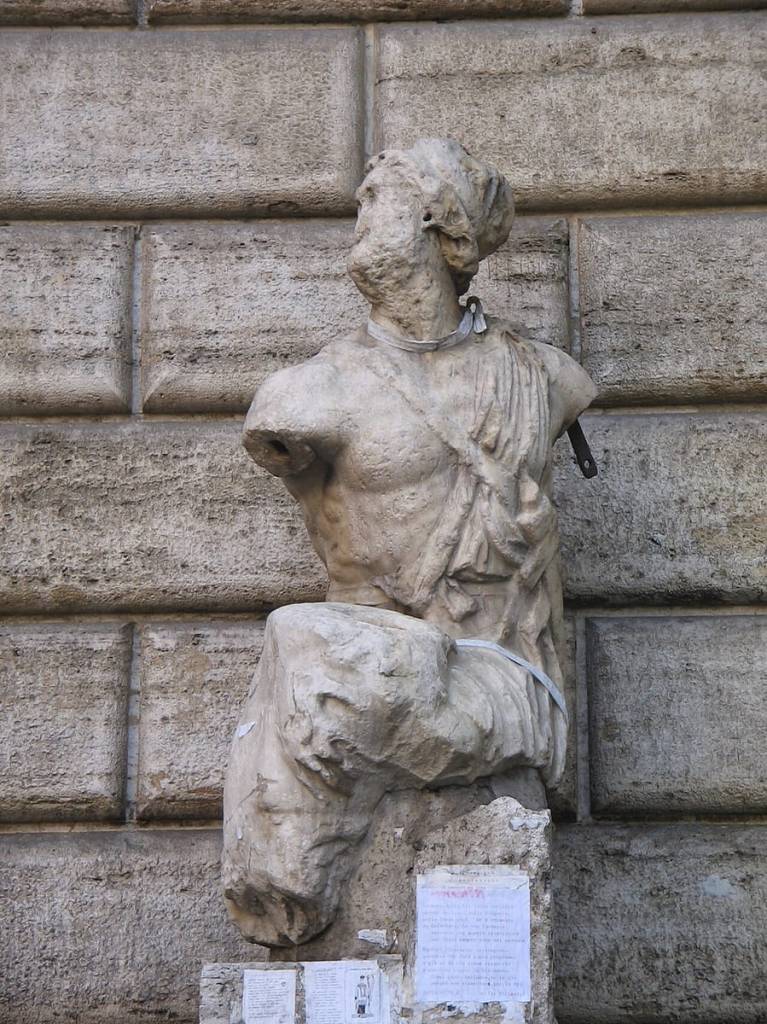
Perhaps Rome’s most famous “talking statue,” which gave its name to anonymous criticism of those in power: the “pasquinate.”
It is a severely damaged sculpture found during the construction of Piazza Navona in 1501, on the site where the Stadium of Domitian once stood. It likely depicts a warrior supporting a dying companion (who has almost entirely disappeared from view), perhaps Menelaus holding the body of Patroclus.
It is not known exactly where the statue’s nickname originated, but it is known that every night the Romans would hang rhyming verses, jokes, and criticisms on its neck, directed at whoever was in power at the time—the Pope and the new laws enacted in the city.
Even in 1938, during Hitler’s visit to Rome, Pasquino spoke out: “My poor Rome of travertine, you’ve dressed yourself all in cardboard, just to be admired by a house painter who’s come here acting like a boss!”
The statue was so feared and hated by the Church and the nobility that they issued ordinances to remove all new messages at dawn and sentence to death anyone found hanging “pasquinate.”
Pasquino is also the only statue that still “speaks”! Next to the sculpture is a bulletin board where, even today, Romans can post rhymes and nursery rhymes directed against politicians and the powerful in Rome and Italy.
Where to find it: Piazza Pasquino, Rome
Madama Lucrezia
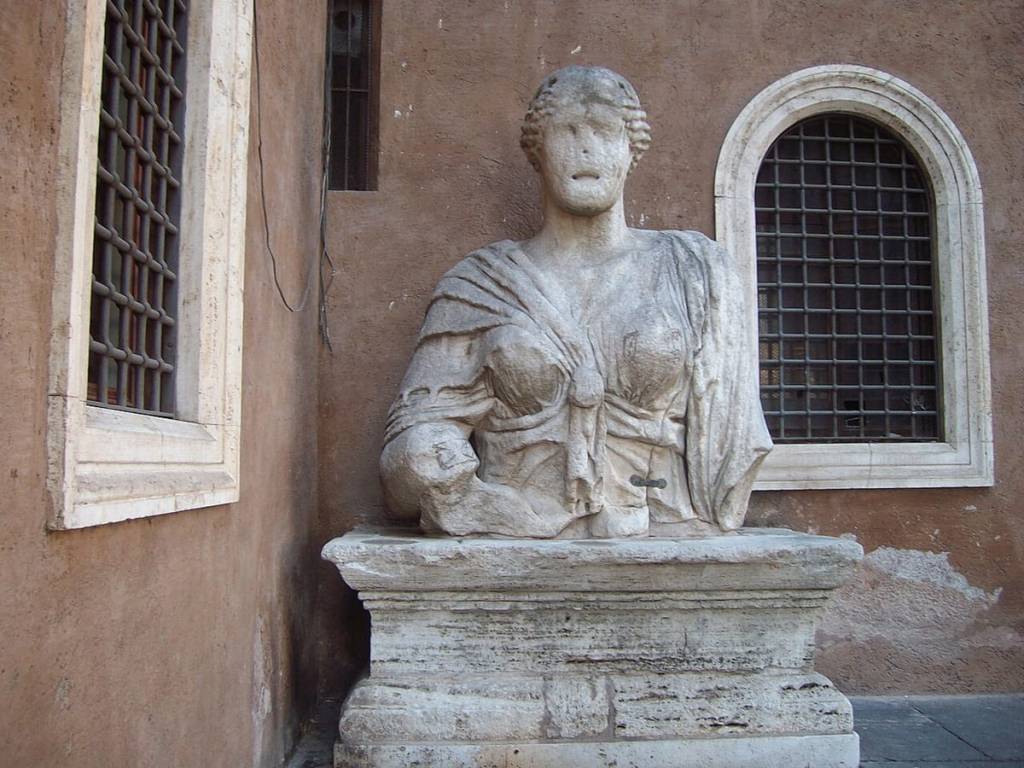
The only female figure among the talking statues, also known as the “Congrega degli Arguti,” is located between Palazzo Venezia and the Campidoglio.
It is a Roman sculpture, possibly depicting the goddess Isis. In the 16th century, when it was discovered, it was given to Madama Lucrezia d’Alagno, mistress of the King of Naples, hence the name that has survived to this day.
Less “talkative” than the more famous Pasquino, Madama Lucrezia was nonetheless the star of the Ballo dei Guitti, during which she was crowned with garlic and chili peppers and people danced around her.
Where to find it: Piazza di San Marco 49, Rome
Marforio
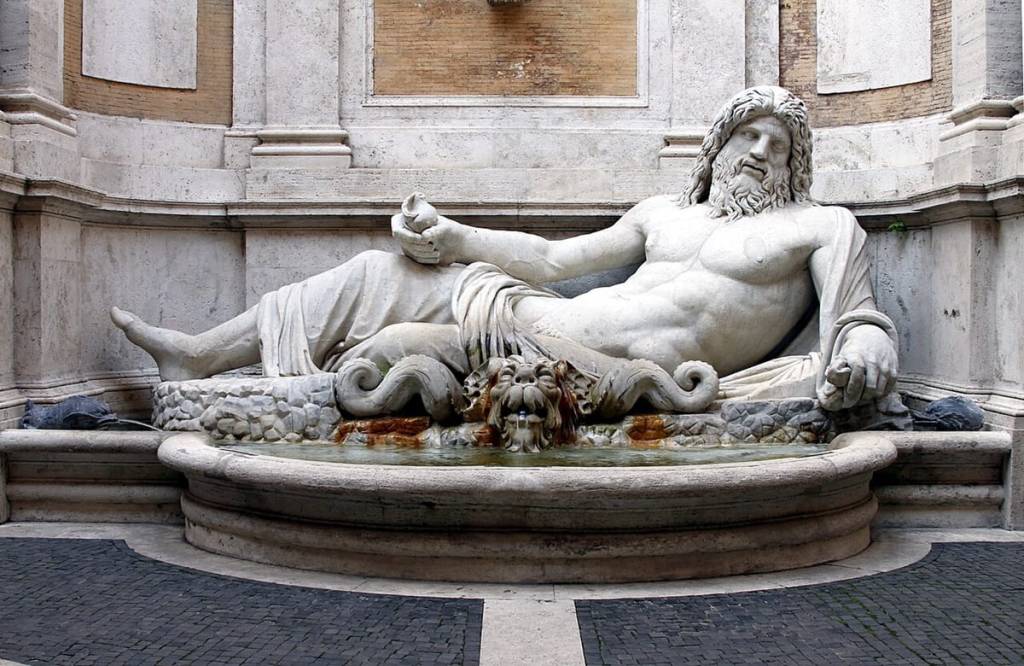
Not far from Madama Lucrezia, inside the Capitoline Museums, stands the gigantic Marforio. It is likely a Roman sculpture depicting the Tiber or a river deity.
Marforio was considered Pasquino’s “sidekick,” with amusing back-and-forth exchanges between the two.
One example is the exchange dedicated to Napoleon following the raids carried out in Rome by the French army. Pasquino asked, “But is it true that the French are all thieves?” and Marforio replied, “Not all of them, but a good many.”
Where to find it: Piazza del Campidoglio, Rome (the sculpture is visible from the square but is part of the Capitoline Museums’ exhibition route)
The Babuino
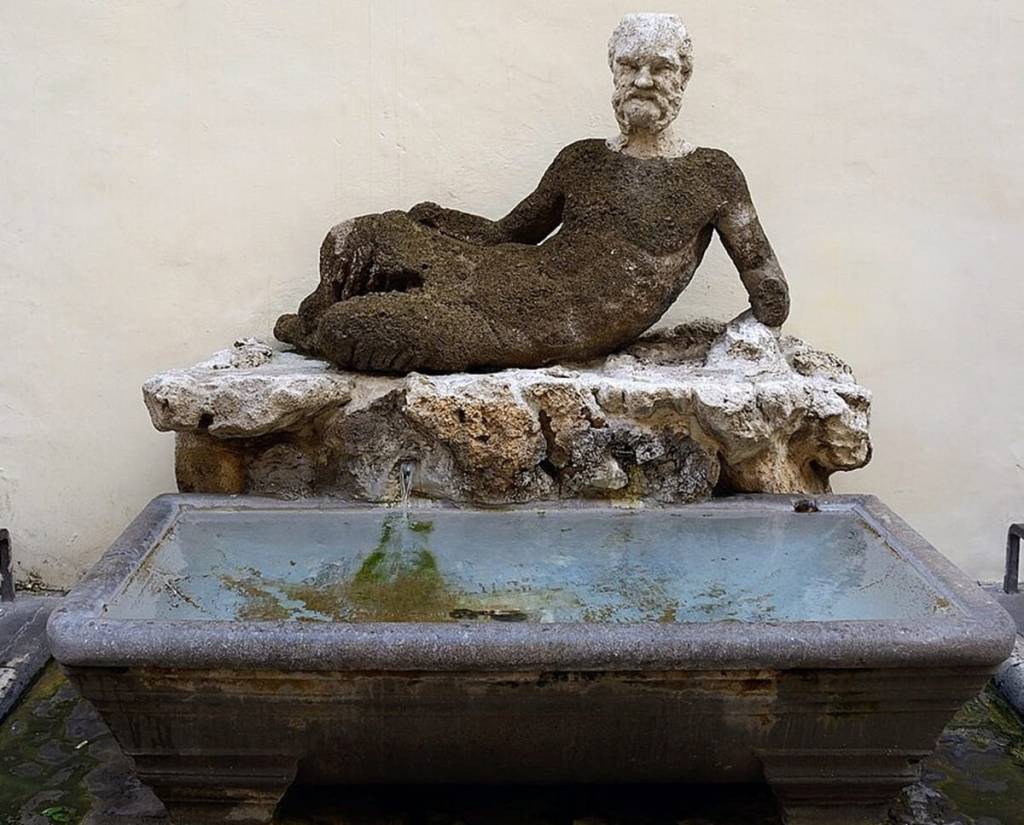
A very unusual sculpture of a “reclining Silenus,” that is, an elderly satyr lying down. The stone that makes up the body is blackened and covered in encrustations, suggesting that it was once part of a fountain.
The name derives precisely from its animal-like appearance, or perhaps from the word “babbione,” which refers to an elderly person who isn’t particularly sharp.
The Babuino’s invectives, which were very violent and vulgar, at one point surpassed those of his famous “colleague” Pasquino in popularity, so much so that the new term “babuinate” was coined.
Where to find it: Via del Babuino 150, Rome
Il Facchino
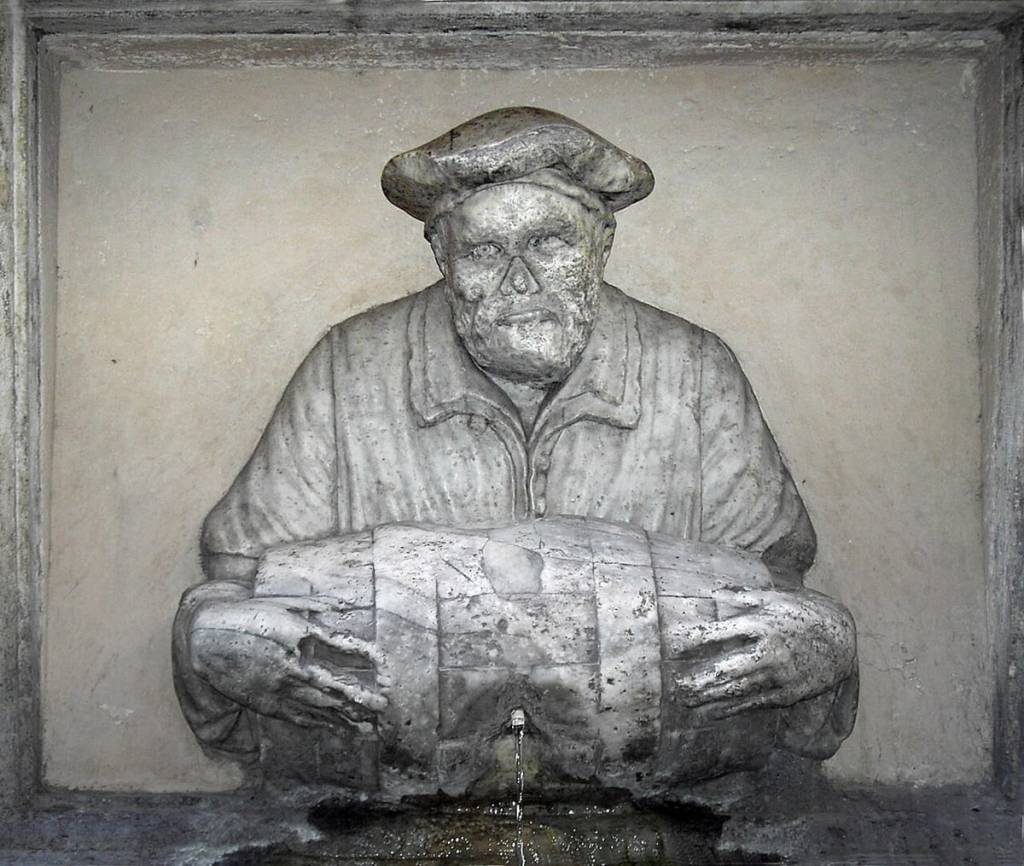
Il Facchino is the only one of the “talking statues” that does not have ancient origins. In fact, it dates back to the 16th century, making it the youngest member of the “Congrega degli Arguti,” despite its rather “weathered” appearance.
It is located not far from the Babuino and depicts an “acquarolo,” also known at the time as “facchini” or “acquaricciari.” These were people who collected water from Rome’s fountains to sell it door-to-door to the city’s nobles.
A plaque, which remained in place until the late 19th century, described him as follows: “Abbondio Rizio, crowned on the public pavement, most skilled at carrying burdens. He carried as much weight as he wished, lived as long as he could; but one day, carrying a barrel of wine on his shoulder and one inside his body, he died against his will.”
Despite the friendly inscription, popular tradition had identified him—perhaps because of his hat—as Martin Luther. Precisely because of the historical hatred toward Luther, who was accused of causing the Sack of Rome, poor Facchino was vandalized repeatedly, to the point of losing his nose and much of his facial features.
Where to find it: Via Lata, Rome
Abbot Luigi
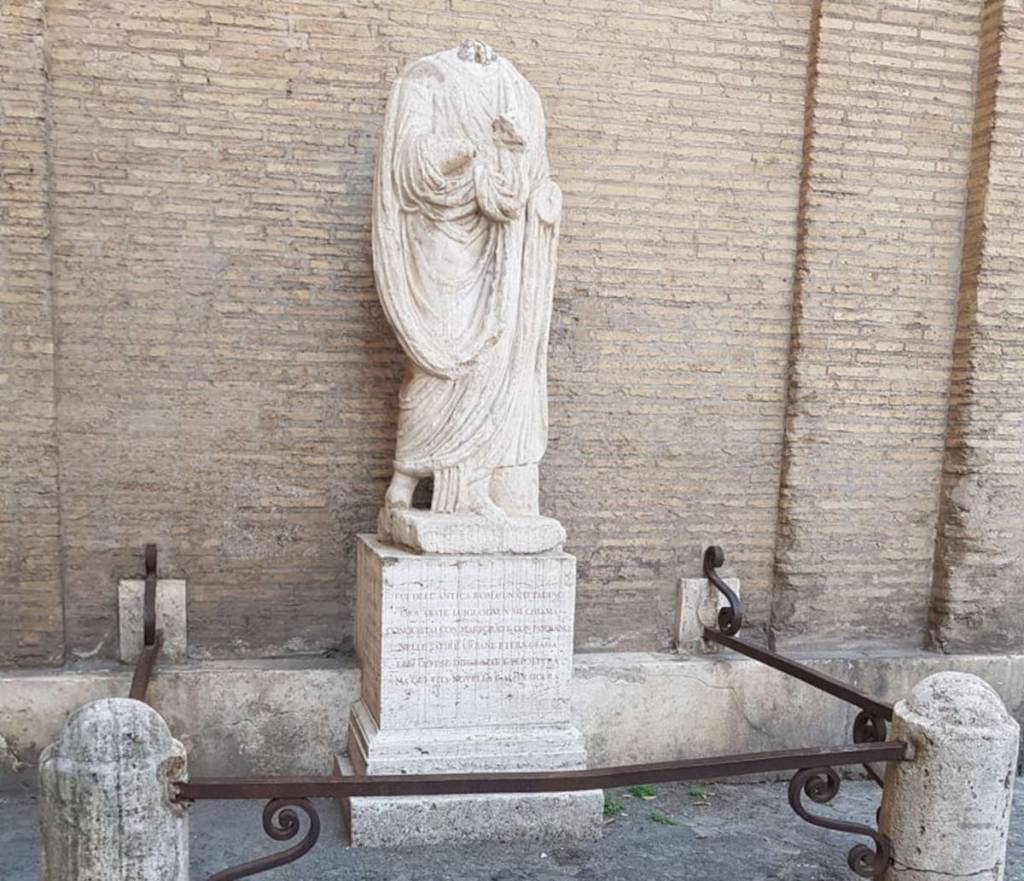
It is a sculpture of a Roman wearing a toga, perhaps a magistrate, discovered during construction work on Palazzo Vidoni Caffarelli. It was likely part of the decoration of Pompey’s Theater, which was located nearby.
The people nicknamed him “Abbate Luigi” because of his striking resemblance to the sacristan of the Church of the Holy Shroud, located near where the statue still stands today.
Unfortunately, poor Abbot Luigi, in addition to the numerous pasquinate—as evidenced by the inscription on his pedestal—has also become famous for the many acts of vandalism he has endured, including the theft of his head, which was stolen so many times that after the last theft in 2013, it was decided to leave him headless.
The last time Abbot Luigi spoke was in 1966, on the occasion of yet another theft of his head, with a request:
“O you who stole my head, make sure to bring it back immediately, or else—you know what’ll happen? As if it were nothing, they’re sending me to the Government. And that really annoys me.”
("O you who stole my head, make sure to bring it back quickly, or else—just wait and see! As if it were nothing, they’re sending me to the government. And that really annoys me")
Where to find it: Piazza Vidoni 4, Rome