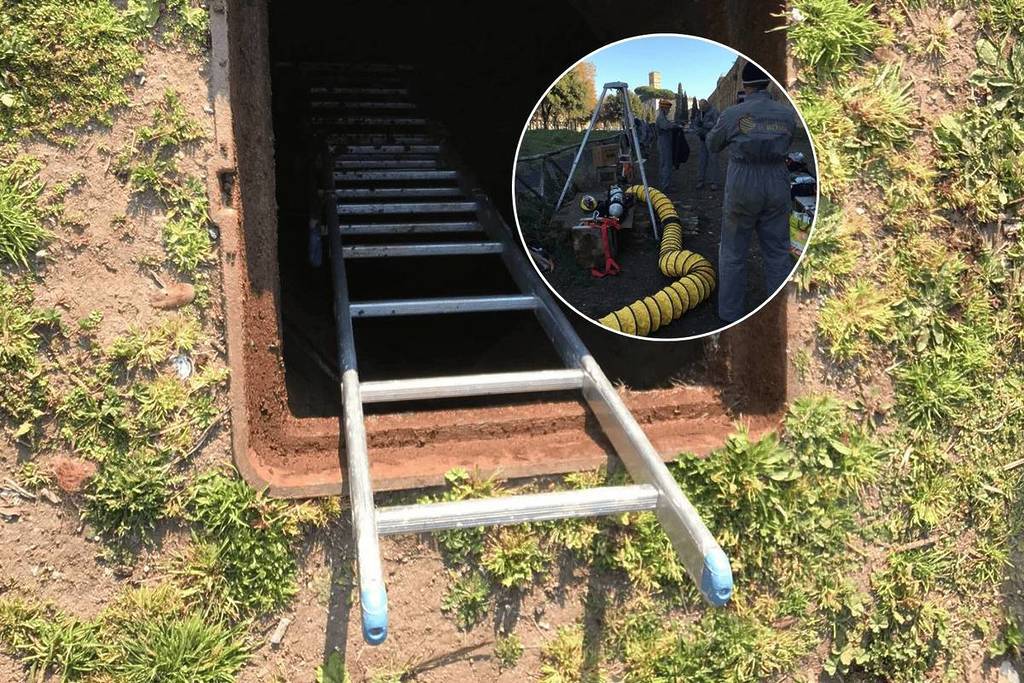
A fascinating discovery adds a new chapter to “Underground Rome”: under the gardens of Viale Carlo Felice, near San Giovanni, a speleo-archaeological expedition unearthed an air-raid shelter dating back to World War II several months ago.
Dive into the Past: a Historical Treasure Revealed
At a depth of about 15 meters, the “Sotterranei di Roma” association documented the existence of a 70-meter-long, semi-flooded underground tunnel that served as a shelter for workers of the then public transportation depot (the former ATAG, predecessor of ATAC).
This shelter, which Corriere della Sera also spoke about, was hastily built in September 1943 following the bombings. Today it preserves extraordinary artifacts, functioning as a veritable time capsule.
Remains of Fiat vehicles have been found, including frames, dashboards and a “nose” pitted by shrapnel from the bombings. The rarest discovery is the discovery of sheet metal that retains the original “bi-green” paint scheme adopted on public vehicles in 1927, a chromatic testimony that was thought to have been lost.
The shelter seats had been created using salvaged seats from old pre-1930s Spa and Lancia streetcars and buses.
The expedition and the future
The researchers, dressed as divers to navigate the icy water, began the study campaign in 2017 by lowering themselves through a manhole.
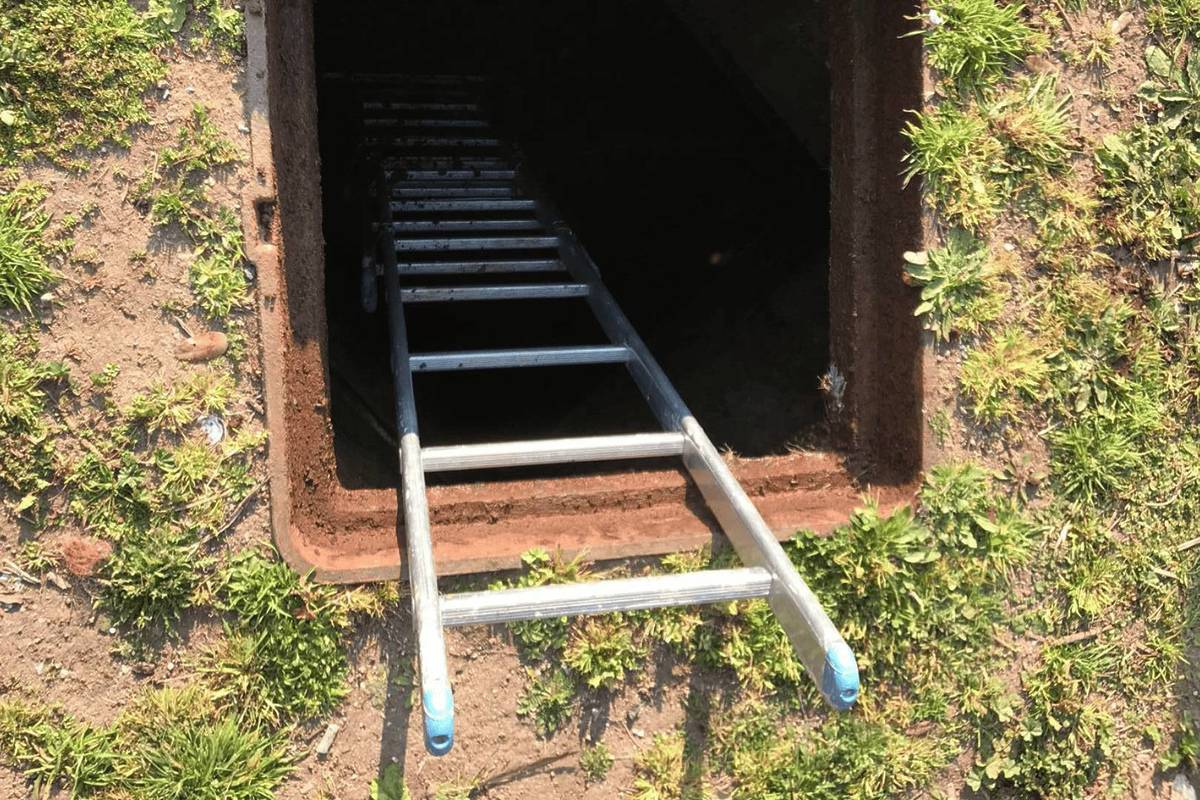
The goal for the future, in addition to the recovery and study of the relics, is to turn this site of memory into a place usable by the public. The site is currently listed on the Sotterranei di Roma website:“Antiaircraft shelter built to protect the workers of the former Atac depot.”
We have written to the association led by Marco Placidi, an expert and enthusiast of archaeological speleology, which today promotes knowledge and understanding of Rome’s history through its extraordinary underground heritage, for updates on the public opening. Unfortunately, there is no date yet, but we will keep you updated.