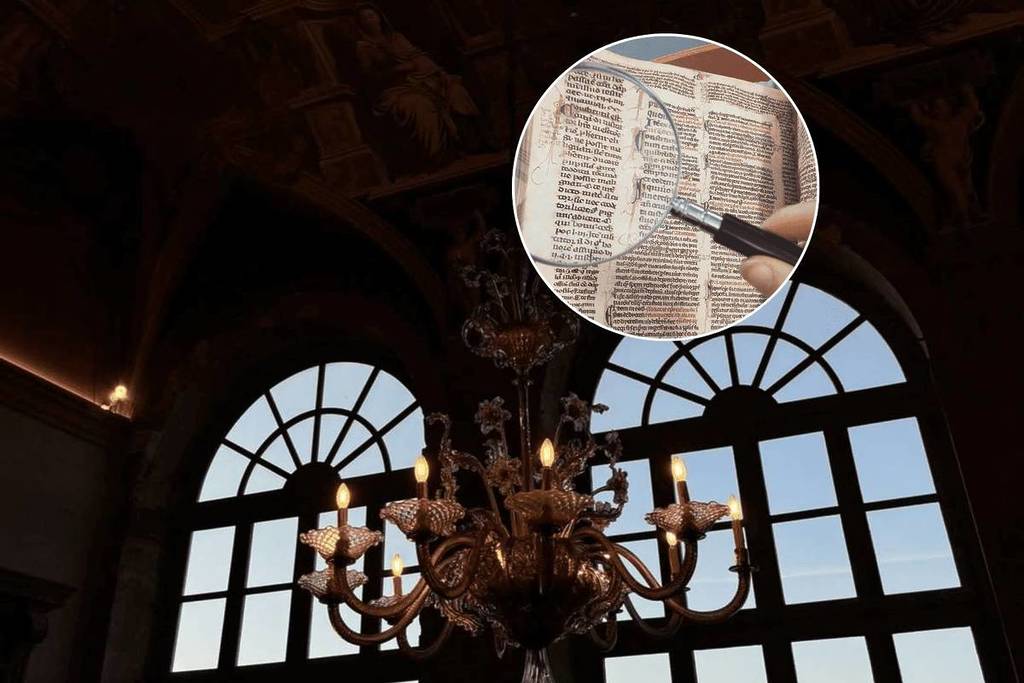

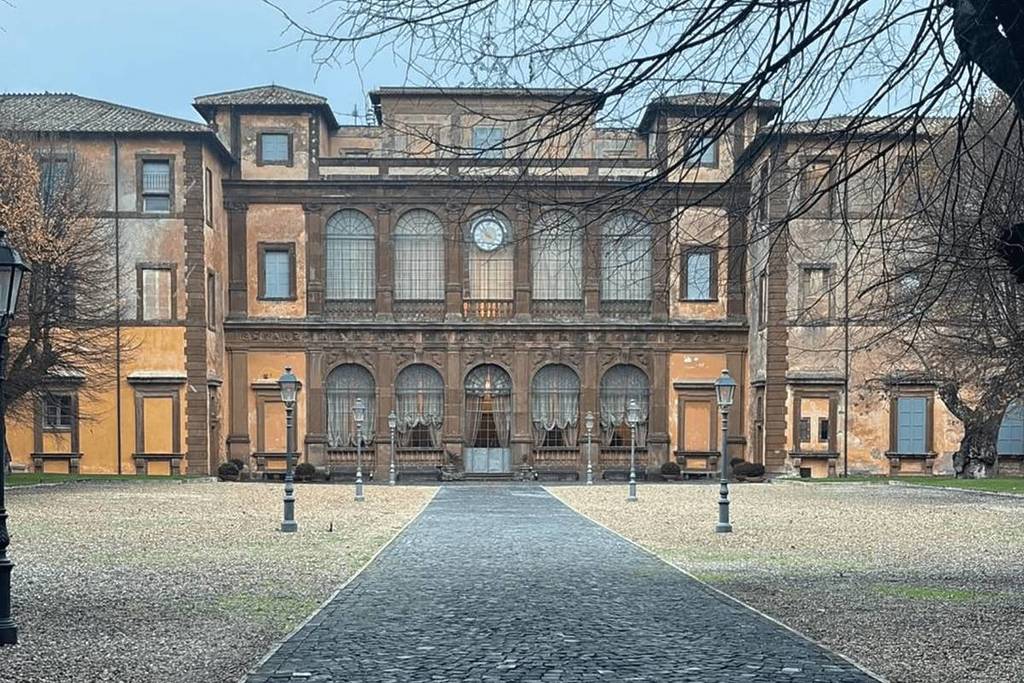
Villa Mondragone is a jewel nestled in the hills of Monte Porzio Catone, a short distance from Frascati. It is one of the most impressive and historic Tuscolane Villas, famous not only for its architecture but also for having literally changed “time”: it was here in 1582 that Pope Gregory XIII signed the bull Inter gravissimas, giving rise to the Gregorian calendar that we still use today. Today, the Villa is a conference and representation center for the University of Rome “Tor Vergata,” and it is possible to admire its frescoes, the majestic Secret Garden, and the Portico del Vasanzio through dedicated guided tours.
March 2026 Visits Calendar
If you want to immerse yourself in the history and beauty of the site, here are the upcoming events:
- March 15, 10:30 a.m. and 3:00 p.m.
- March 22, 10:30 a.m. and 3:00 p.m.
- March 28, 10:30 a.m. and 3:00 p.m.
💳 Ticket and payment information: tickets can only be purchased via P.O.S. (cash is not accepted). Adults: €10 Reduced (11-17 years): €5 Children (up to 10 years): Free
📍 How to get there and contact details: the Villa is located in a privileged panoramic position and has ample free parking for visitors. Address: Via Frascati 51, Monte Porzio Catone (RM). Telephone: 06 94019400. Email: info@villamondragone.itS
A little tip: the view of Rome from the Villa’s terrace is breathtaking, especially on clear days in March. Bring your camera!
Why does the story of the Voynich Manuscript at Villa Mondragone seem like something out of a Dan Brown novel?
The Voynich Manuscript is considered the “most mysterious book in the world”: it is a 15th-century illustrated codex written in a script that no one has been able to decipher for 600 years. Only a few years ago, researcher Matarrese claimed to have solved the enigma of the Manuscript, discovering its language, subject matter, and year of creation.
What is the history of the manuscript?
It all happened in 1912. At the time, the Villa belonged to the Jesuits, who used it as a college (the Nobile Collegio Mondragone). To cover the costs of restoring the building, the monks decided to discreetly sell some of their precious ancient volumes. Wilfrid Voynich, an antiquarian and rare book dealer of Polish origin, visited the Villa and purchased a batch of about 30 manuscripts. Among these, one stood out that left him stunned: pages full of non-existent or unknown plants. Bizarre astronomical and cosmological diagrams. All written in a fluid, elegant, but totally incomprehensible alphabet.
The original manuscript is now housed in the Beinecke Rare Book & Manuscript Library at Yale University.