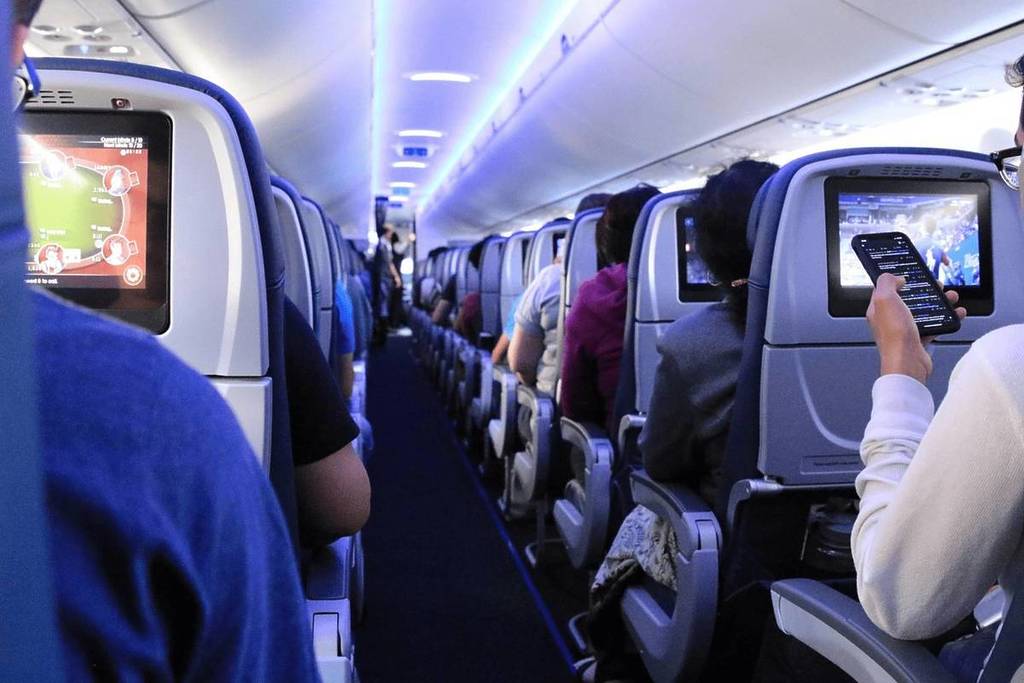
If you are planning a trip from Rome-Fiumicino or Ciampino in early 2026, you would be wise to carefully check the contents of your carry-on luggage. A new international restriction, which came into force in mid-January, is radically changing the rules on the use of external batteries (power banks) during flights.
What’s changing for those taking off from Rome
It is no longer just a question of where to store portable chargers, but how (not) to use them. Many of the major airlines operating at Rome airports have introduced a total ban on the use of these devices for the duration of the journey.
The aim is to avert the risk of fires on board caused by overheating or malfunctioning lithium-ion cells, an emergency that saw several critical cases last year. Although regulations may vary slightly between carriers, the new standard that Roman travelers will face includes:
- Mandatory shutdown: power banks must remain turned off from takeoff to landing.
- Positioning: devices must be stored in a bag under the seat in front of you, and not in the overhead compartments, for more immediate monitoring.
- Capacity limits: the maximum limit of two batteries per person remains, with a capacity not exceeding 100 Wh each (unless special authorisation has been granted).
- Carry-on luggage only: the ban on placing lithium batteries in checked baggage remains in place.
Airlines involved: who has already said “stop”
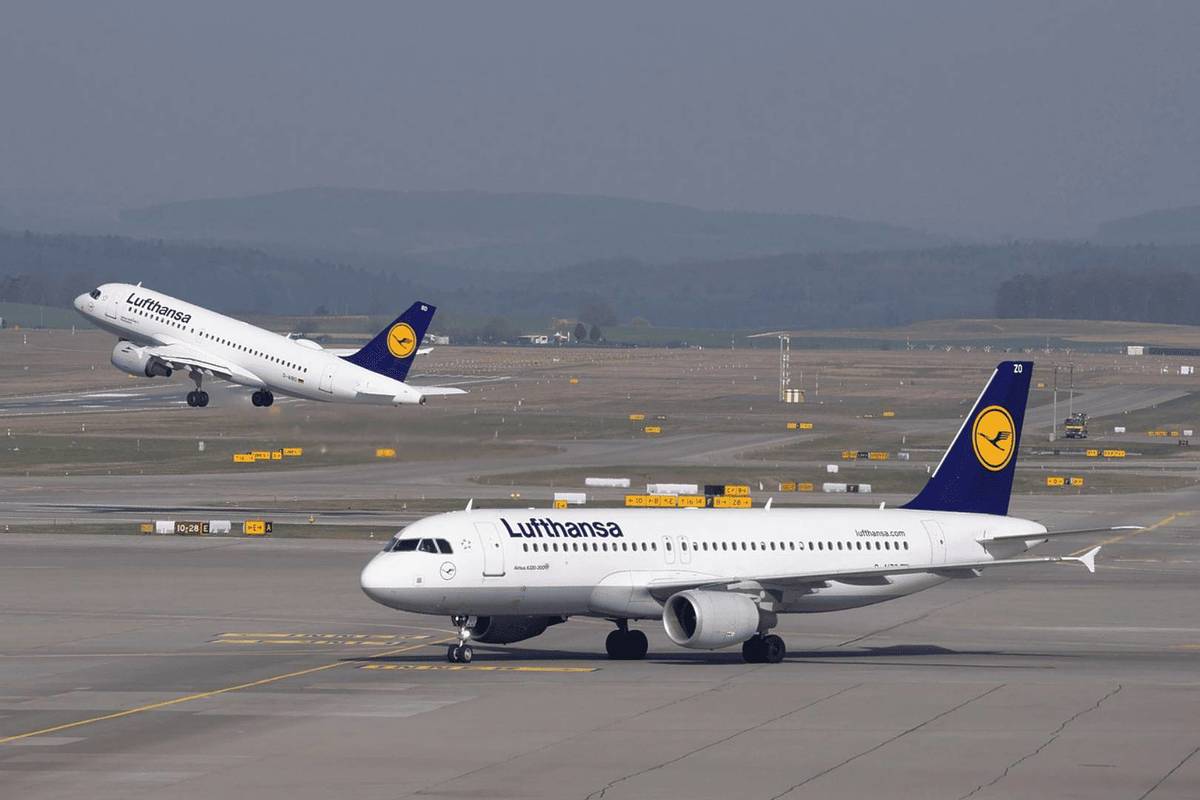
The ban is not yet universal, but the list of airlines that have adopted the measure is rapidly expanding. Among the carriers that regularly fly to Rome are giants such as the Lufthansa Group (including Air Dolomiti), ITA Airways, Air France, Emirates, and several Asian airlines such as Singapore Airlines and Cathay Pacific.
To recharge smartphones or tablets, passengers will therefore have to rely exclusively on the USB sockets built into the aircraft seats, leaving their personal batteries strictly switched off.
If you are planning to travel, we recommend that you check the airline’s website for the latest specific provisions, as the number of airlines participating in the ban may increase throughout 2026.