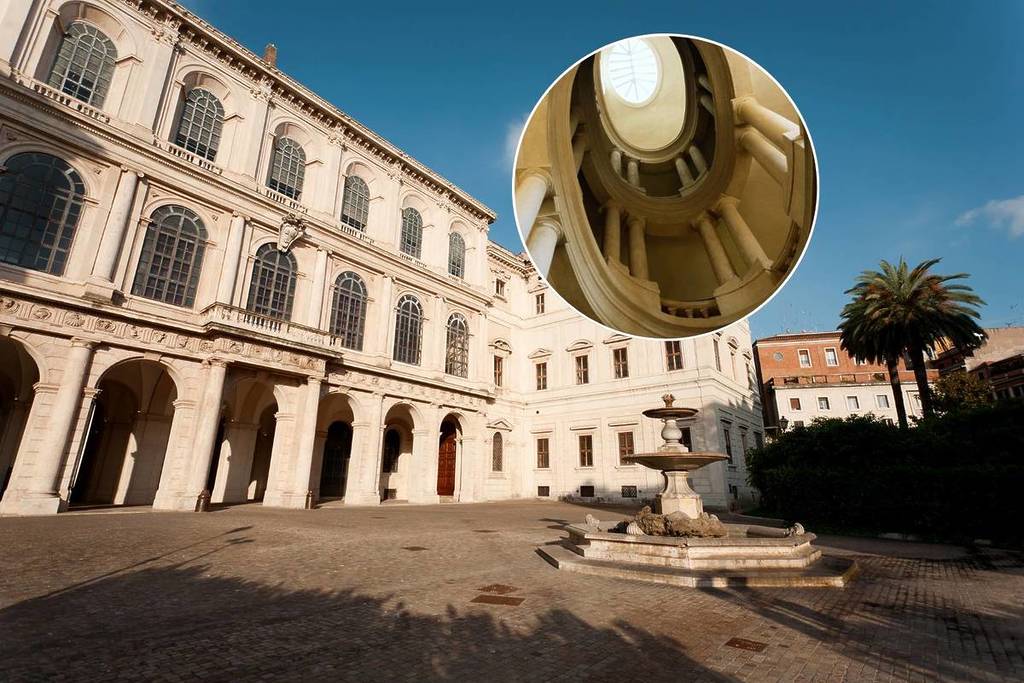

Rome offers a new, precious opportunity to immerse yourself in the refined atmosphere of the 18th century. The National Galleries of Ancient Art have announced a special initiative dedicated tothe 18th-century apartment located inside Palazzo Barberini: on the first Saturday of every month, visitors will be able to access these exclusive spaces through free guided tours, upon purchase of a regular admission ticket.
The Rediscovered Apartment
These rooms are not simply exhibition spaces, but a vivid testimony to the aristocratic life of the time. Strongly desired by Princess Cornelia Costanza Barberini and Prince Giulio Cesare Colonna di Sciarra, the rooms reflect the decorative taste and opulence of one of the most influential families in Roman history. Visits, scheduled in two shifts (at 11:00 a.m. and 12:00 p.m.), allow visitors to admire furnishings and decorations that preserve the charm of the “Age of Enlightenment” intact. Given the unique nature of the spaces, reservations are strongly recommended by writing to: gan-aar.settecento@cultura.gov.it.
The history of the buildings over the centuries
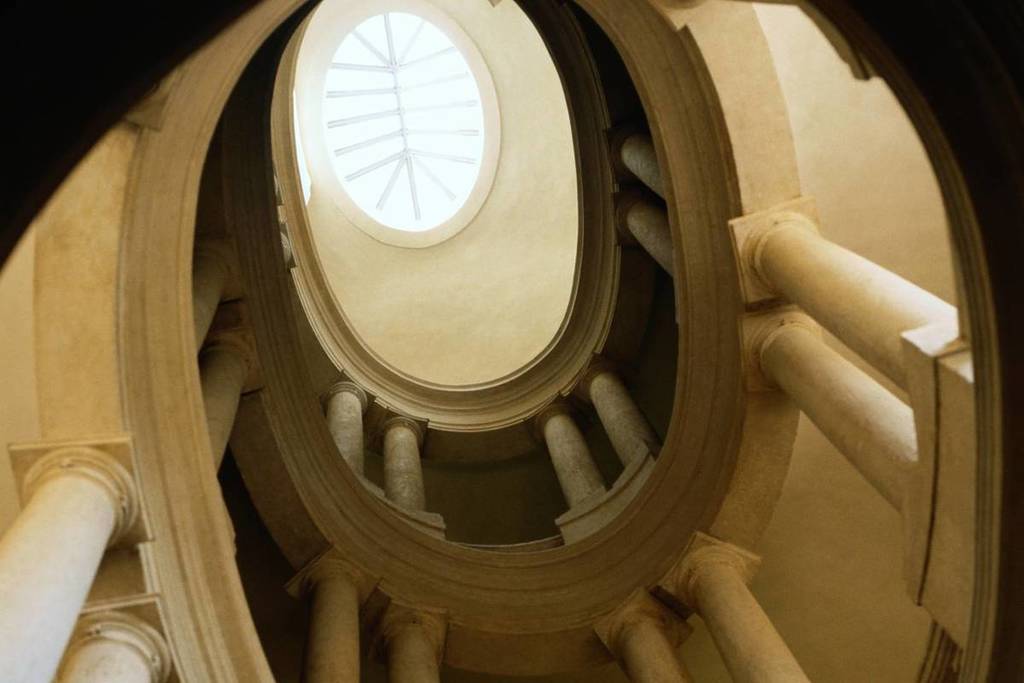
It is important to remember that the National Galleries of Ancient Art constitute a single museum, although distributed between Palazzo Barberini and Palazzo Corsini. The two locations have profoundly different histories: Palazzo Corsini became a national museum in 1895, preserving an almost intact historical picture gallery. Palazzo Barberini, inaugurated as a museum only in 1953, was born out of the need to house the growing state collections resulting from illustrious acquisitions, such as those from the Monte di Pietà, the Chigi Collection, and the generous Hertz donation.
Unlike the Corsini collection, the original Barberini heritage suffered serious losses over the centuries, as recounted by Roma Capitale. A critical moment came in 1934, when a royal decree authorized the sale of numerous works. The state managed to save only a small number of works, now identified by the letter “F” (followed by a number) on the frames. A famous example is Raphael’s Fornarina, cataloged as F1.
While Palazzo Corsini maintains the layout of an 18th-century picture gallery, Palazzo Barberini follows a chronological order that takes visitors from the 13th to the 18th century. The collection boasts names of worldwide renown. The museum is not limited to what is visible. A significant portion of the collection is kept in storage facilities equipped for conservation or security reasons, with periodic rotations that allow for the preservation of delicate objects. In addition, many works from the Galleries are currently on “permanent loan” to the highest offices of the State, decorating ministries and embassies as symbols of Italian culture.
Where: Via delle Quattro Fontane 13. A full-price ticket to visit Palazzo Barberini costs €15 (closed on Mondays). The same applies to Palazzo Corsini.