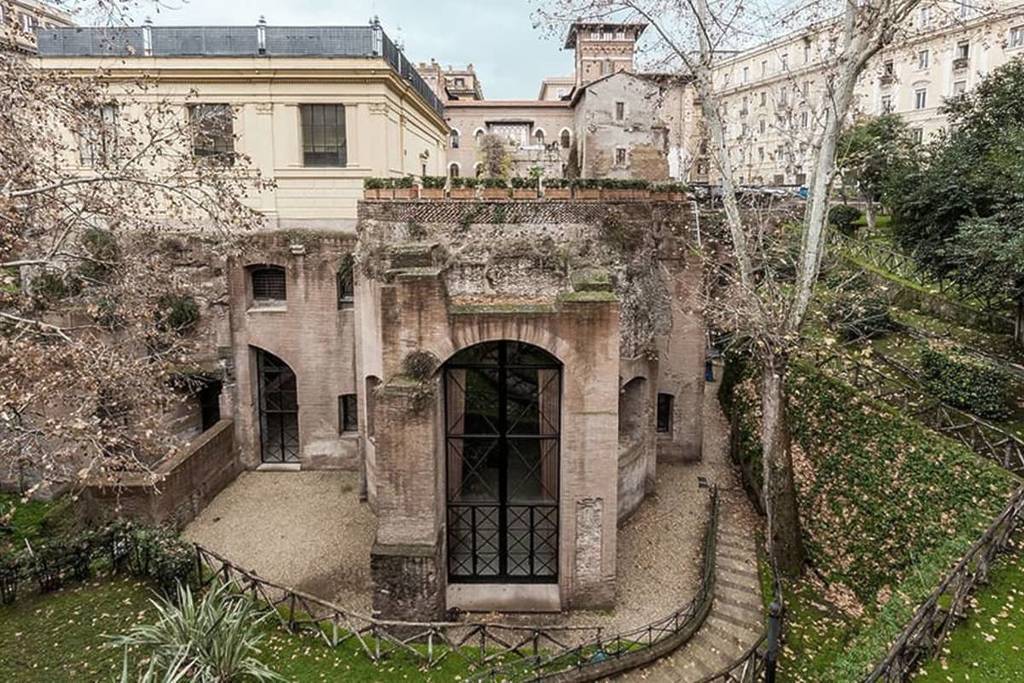
In ancient Rome there was a monumental park so vast that it extended over 25 hectares, occupying the area that today runs between Via Salaria, Via Veneto, Via XX Settembre and the Aurelian Walls, between the Pincio and the Quirinal. We are talking about expanses of greenery and splendid architecture that have experienced centuries of history and transformations. Today, the only intact evidence of that time is the Aula Adrianea, which stands 14 meters below street level.
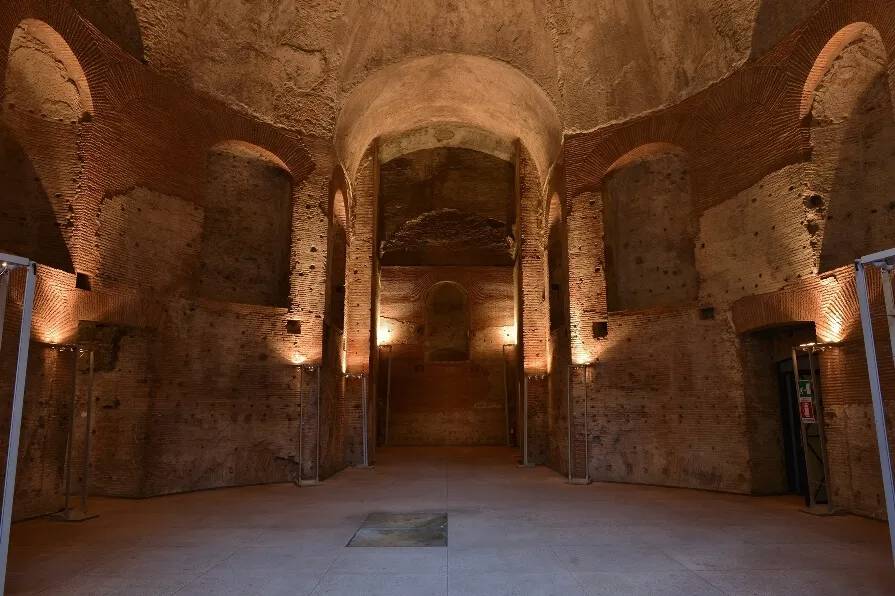
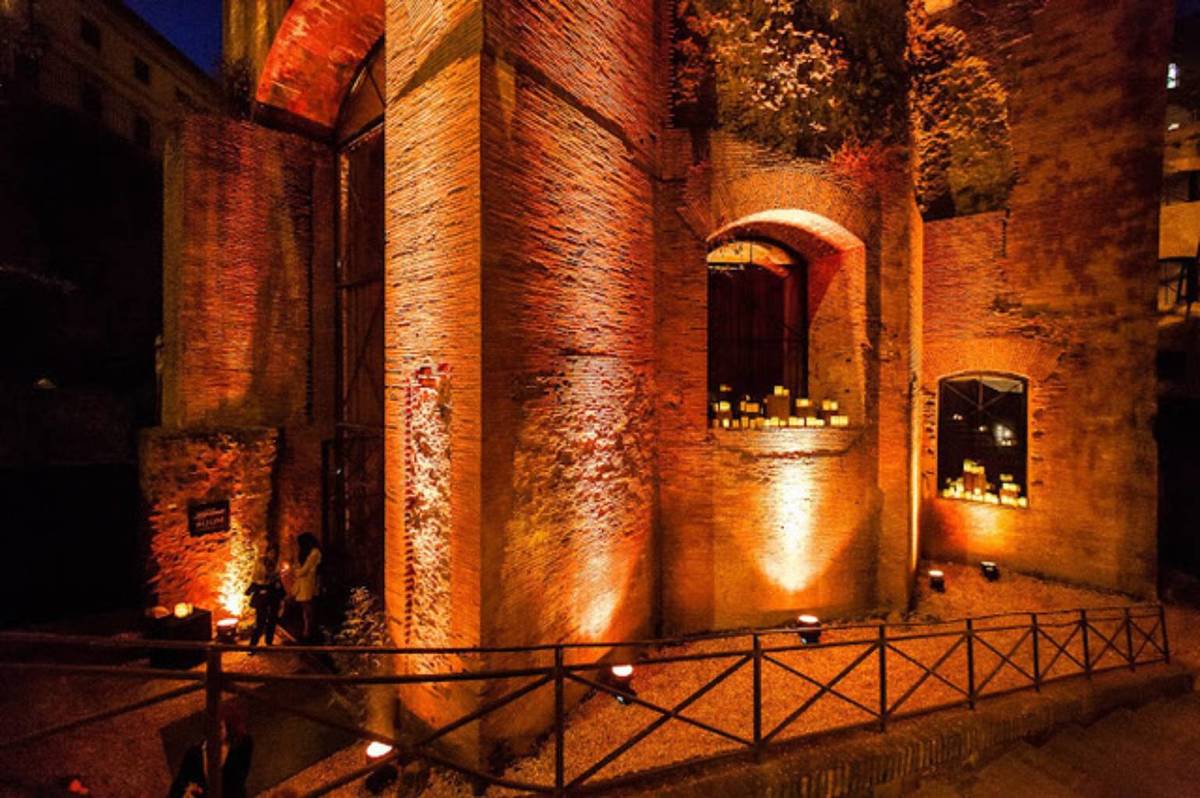
The carefully restored structure has become a striking location for events and concerts, but it continues to transport those who visit it to the classical atmosphere of the palaces of imperial Rome.
Horti Sallustiani: from Julius Caesar to Vespasian
The Horti Sallustiani were born on land that once belonged to the great Julius Caesar. Around 44 BC, senator Gaius Sallustius Crispus transformed them into his opulent mansion, embellishing it with numerous riches from Africa. In 21 CE, the gardens came under the control of Tiberius and became a center of imperial power. Various emperors, including Vespasian and Hadrian, added porticoes, nymphaea, and works of art.
Today, very little remains of that majestic complex, including part of the nymphaeum and the Hadrianic Hall. These finds emerged in the late 19th and early 20th centuries, during work on new streets and buildings that redefined the heart of Rome.
The concerts: the best of music in a historic location
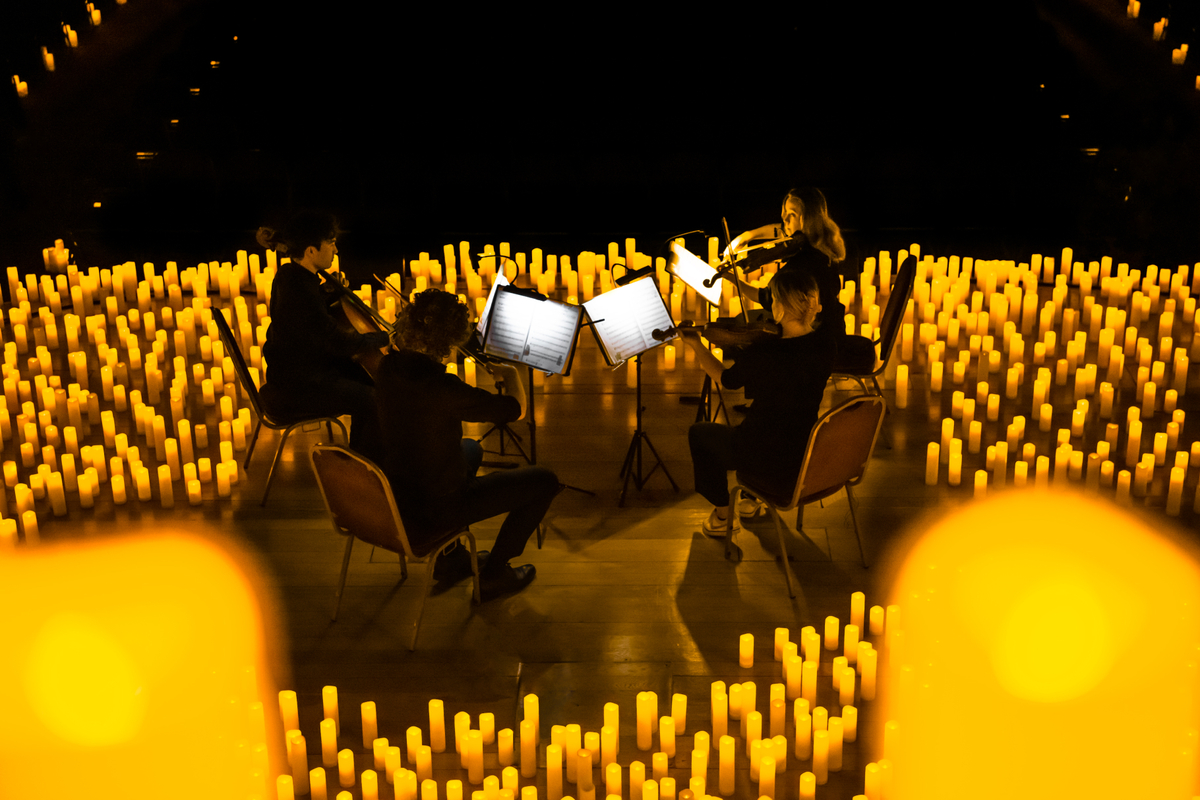
Throughout the year, on selected dates, this ancient setting is transformed into an evocative and inimitable concert hall for candlelight musical performances belonging to the Candlelight series. On these evenings, talented classically trained musicians reinterpret the greatest hits of all genres, during exciting tributes to great authors and composers, including Ludovico Einaudi and Pino Daniele. The Aula Adrianea, illuminated by thousands of candles, becomes one of the most atmospheric concert spaces in Rome, where an intimate atmosphere full of history reigns.
How to get to the Horti Sallustiani?
The entrance to the nymphaeum and Aula Adrianea are located at Piazza Sallustio 21, right in the center of Rome. The Horti Sallustiani can be reached on foot (1km) from Rome’s Termini station or by Metro line A, Barberini or Repubblica stops; from there it is about a 10- to 15-minute walk.
What was found during the various excavations in the Horti Sallustiani?
Famous for being a favorite haunt of many emperors, the Horti Sallustiani soon became an inexhaustible treasure trove of works of art. These gardens have returned masterpieces of extraordinary beauty to Rome, such as the famous sculptures of the Dying Galata and the Suicidal Galata, now on display in the halls of the Capitoline Museums.
What events can I organize at the Horti Sallustiani?
The Aula Adrianea is the ideal place to organize gala dinners or private parties with an exclusive and sophisticated touch. The spaces also lend themselves to hosting art exhibitions, corporate meetings, conferences and cultural gatherings. For more information regarding reservations and quotes, we recommend taking a look at the website.
Places near the Horti Sallustiani
Being centrally located in the city, the Horti Sallustiani are not far from other iconic sites in Rome. As an example, The Trevi Fountain and the Basilica of Santa Maria Maggiore are both within a 15- to 20-minute walk. Slightly closer, about a 10-minute walk, are Palazzo Barberini, Piazza della Repubblica, and the Fountain of the Naiads. A little farther away, about a half-hour walk, is the splendid Salone Bernini in Palazzo Ripetta, where classical music concerts are often held.