
Moving to the United Kingdom—or even just spending some time in Scotland or England—often involves a fascinating “culture shock.” And we’re not just talking about driving on the left or getting used to tea with milk! Often, the most surprising differences are found right within the home, where interior design and the use of space reflect centuries of customs, a rainy climate, and building codes that are quite different from ours.
Italian Homes vs. UK Homes
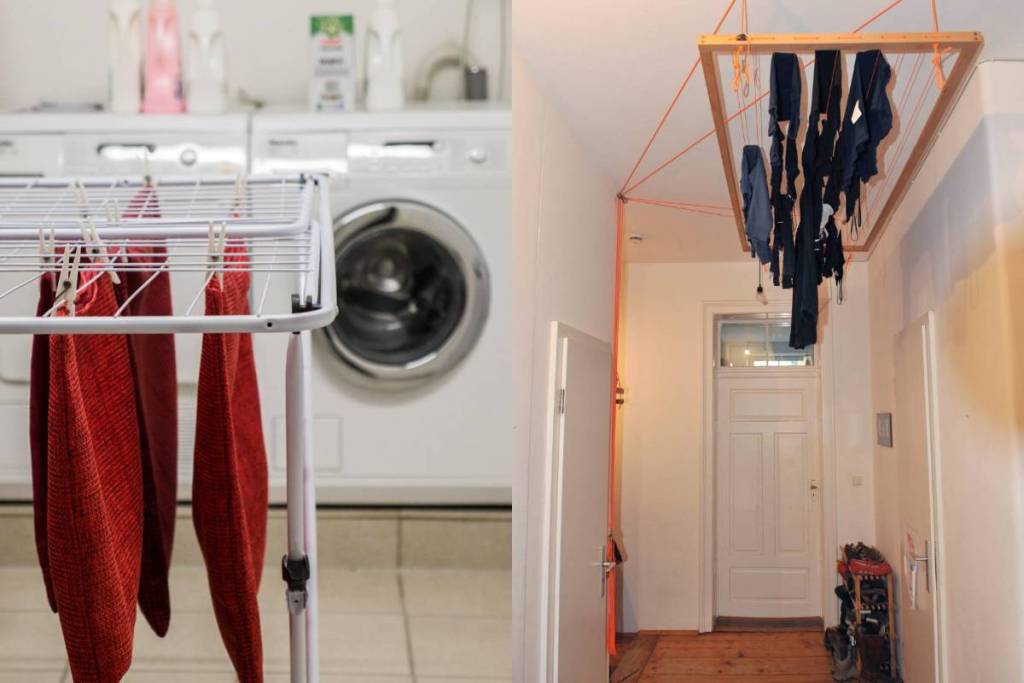
Let’s start with the very heart of the home. One of the first things that baffles us Italians is the location of the washing machine. While in Italy we’re used to having it in the bathroom, an adjoining bathroom, or a dedicated laundry room, in the UK you’ll almost always find it built into the kitchen cabinets.
Bathroom Rules
The reason isn’t a strange design choice, but a safety issue: strict British electrical regulations prohibit standard electrical outlets in bathrooms (they’re allowed only if more than 3 meters from the perimeter of the shower or bathtub), with the sole exception of very low-voltage outlets for electric razors.
A small detail in the bathroom deserves an honorable mention—one that takes everyone by surprise: the faucets. Where we take for granted a convenient mixer faucet to adjust the water temperature to our liking, many British sinks still proudly cling to the system of two separate faucets— one for scalding hot water and one for ice-cold water.
Where to Dry the Laundry
And once the laundry’s done, how do you dry it? Forget the classic A-frame clothes racks set out in the sun on the balcony. Limited space and frequent rain have sharpened British ingenuity. In many homes, especially in traditional, high-ceilinged Scottish apartments (the famous tenements), the ceiling-mounted drying rack—known as a pulley airer or Sheila Maid—is extremely common. It’s a sturdy slatted structure that’s hoisted up using a pulley system. This ingenious solution frees up living space in the rooms and takes advantage of the natural upward movement of warm air to dry clothes quickly, while keeping them comfortably sheltered from the elements.
Floors and Windows
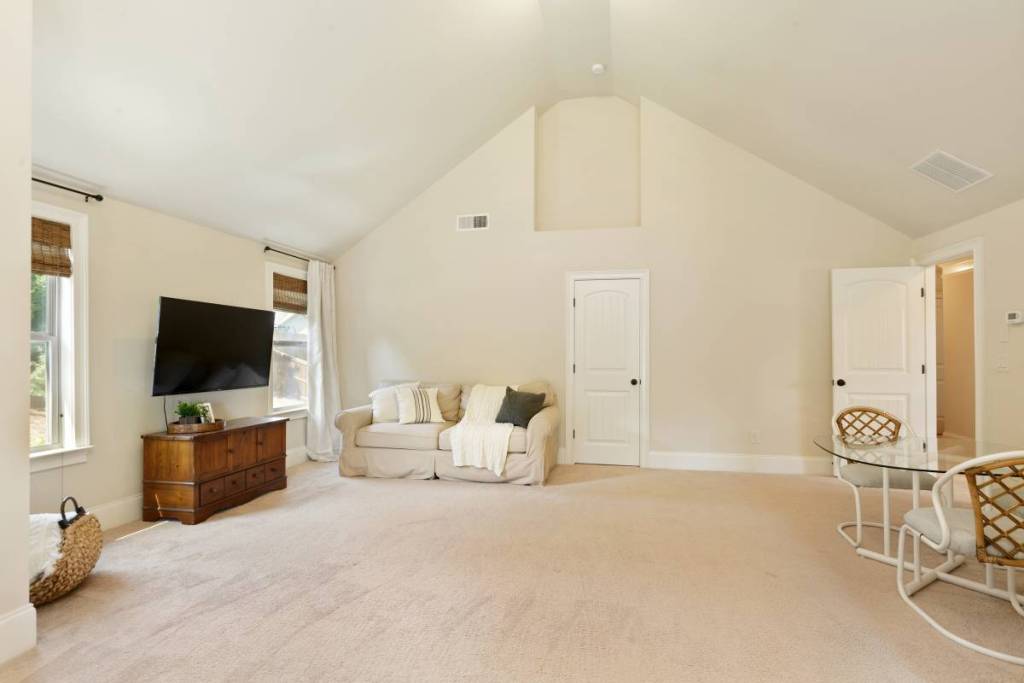
Moving on to the other rooms, our feet will immediately notice another major difference. While in Italy, ceramic, marble, or hardwood floors are prized for their coolness in summer and ease of cleaning, across the Channel , carpet reigns supreme. Whether you’re in London or Edinburgh, carpet is adored for the sense of warmth and coziness it conveys in an often-harsh climate. Don’t be surprised to find it everywhere: in bedrooms, hallways, living rooms, and even on the stairs. Until a few decades ago, it was even common to have it in the bathroom—a practice that’s now disappearing for hygiene reasons.
Finally, even the simple act of opening a window is a different experience. English and Scottish windows almost always open outward or slide upward like a guillotine, but what really stands out is the total absence of window screens and shutters. For us, mosquito screens are essential for surviving the summer, but in the United Kingdom, temperatures have never been high enough to allow mosquitoes to proliferate to the point of requiring permanent screens (despite the infamous midges of the Scottish countryside).
Also, forget about closing the shutters to sleep in the dark: British homes don’t have them, relying instead on heavy, thick interior curtains—so-called “blackout curtains”—for privacy and to block out the light.
It’s fascinating to discover how, behind every little domestic quirk, there are stories of climate, traditions, and plenty of local practicality.