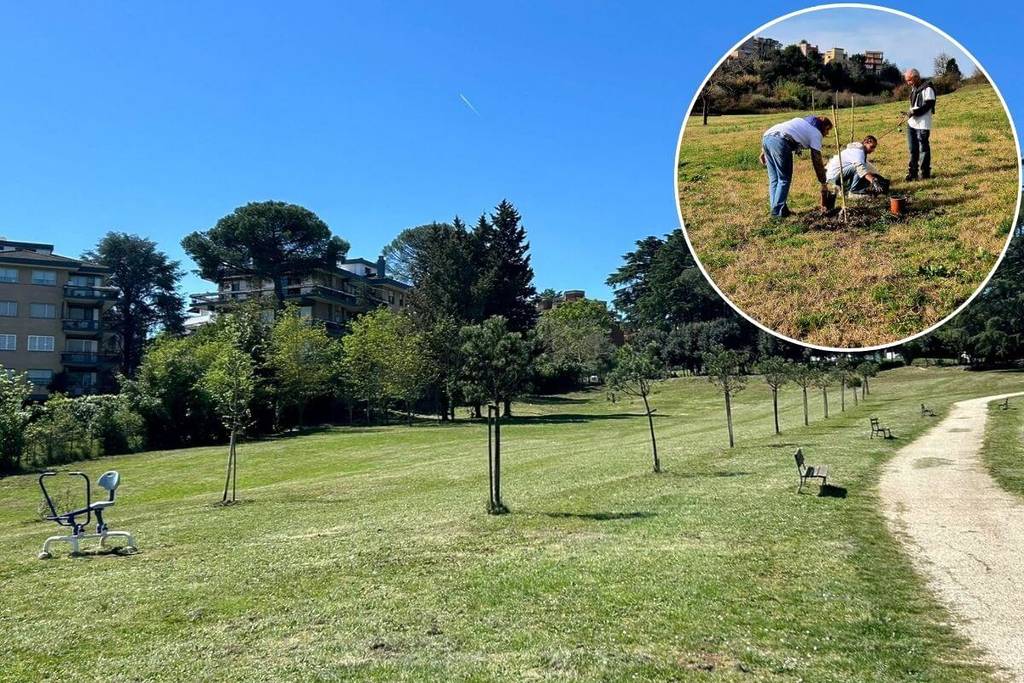

If you have a free Sunday and don’t want to travel far to find some authentic greenery, North Rome has just what you’re looking for. Volusia Park, an urban section of the Veio Regional Park nestled between the Grottarossa and Tomba di Nerone neighborhoods, has just opened its urban forest: 25 trees and 16 shrubs, space to breathe, loop trails, and much more.
It’s not one of those neighborhood parks with three flower beds and a crooked bench. It’s nearly 43 hectares of nature just a metro ride away, with a history behind it that’s worth the trip on its own.
The legendary resistance of Northern Rome: how citizens stopped the bulldozers in the 1990s
What is now a park where you can take the kids on Sundays was, in the 1990s, at risk of becoming 200,000 cubic meters of concrete. It was the residents who stopped it: overnight vigils, construction vehicles physically blocked, and a popular resolution signed by 8,300 people.
A neighborhood battle that reached its definitive turning point in 2003 with the General Urban Plan of the Veltroni administration: the building volumes were relocated elsewhere, and the 42 hectares of Volusia were designated as a public park, with the historic farmhouses included as urban planning compensation.
Then came over a decade of waiting, intermittent construction, and promises. Until the opening and, now, the ribbon-cutting for the new forest. A civic victory that today is measured in trees, not bricks.
Forest for Rome at Volusia Park: 400 square meters of educational forest and 30,000 kg of CO₂ absorbed each year
The forest inaugurated at Volusia is the fifteenth and final module of Forest for Rome, Rome’s widespread micro-afforestation project aimed at bringing new trees to every municipal district of the city, starting with areas with heavy traffic or insufficient green space.
The area spans approximately 400 square meters and is home to native species such as hackberry, holm oak, and mastic trees—plants suited to the Roman climate, resilient and long-lived. Their CO₂ absorption capacity starts at about 100 kg per year and will reach, at full maturity, over 30,000 kg annually.
Across the city, the project has already planted 375 trees and 240 shrubs.
During this council term, a total of about 200 trees have been planted in Volusia Park: 80 holm oaks along the main avenue, 50 pines, and other scattered trees.
Mayor Roberto Gualtieri also announced the launch of the bidding process for the renovation of the three historic farmhouses within the park, which could become a civic space featuring a library, co-working areas, a conference room, and a dining area.
The goal is to hand them over to the community by next year.
How to get to Volusia Park and what to do once you arrive
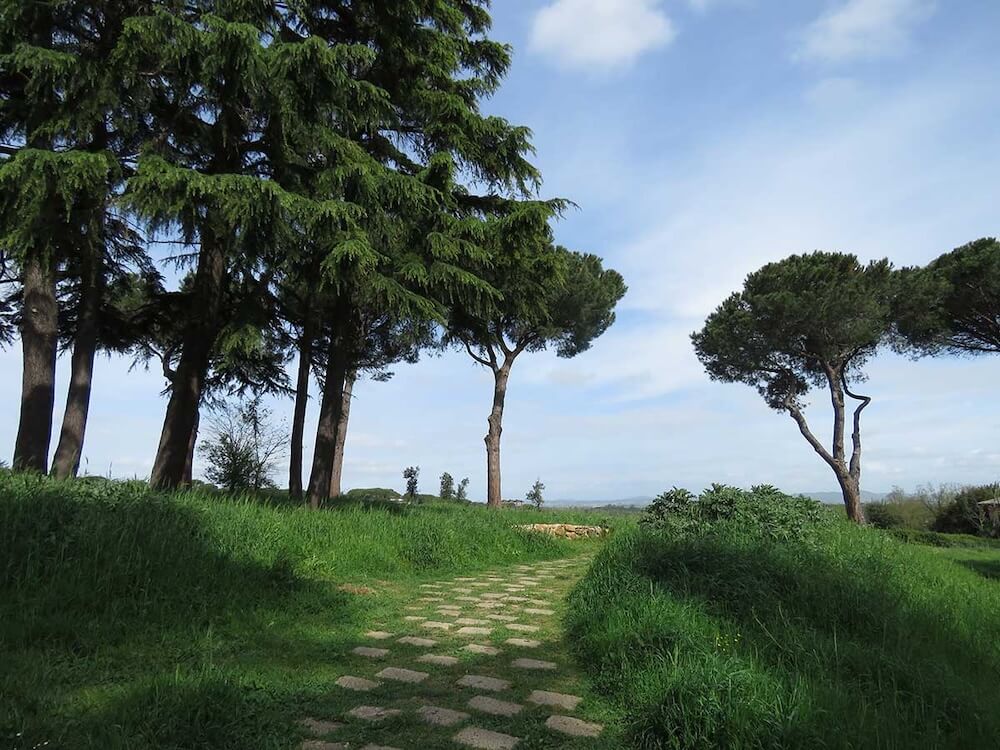
📍 Volusia Park is located in Municipality XV, between Via Casalattico and Via Veientana, accessible from Via Cassia or Via Flaminia.
🚌 How to get there by public transit: the park is served by several bus lines (such as the 301 or 226) that run along Via Cassia and Via di Grottarossa, making it accessible even without a private car.
Inside, you’ll find a 1,200-meter looped walking and cycling path —also suitable for mountain bikes— seven areas equipped for rest and picnics, and a fitness trail with exercise equipment and explanatory signs.
Benches, trash cans, and signage complete a park designed to last.
With the new urban forest, Volusia adds an educational nature area that works well both for a quick stroll among native trees and for helping children understand what a living urban ecosystem looks like.
If you’re looking for a place to truly unwind without leaving Rome, now you know where to go.