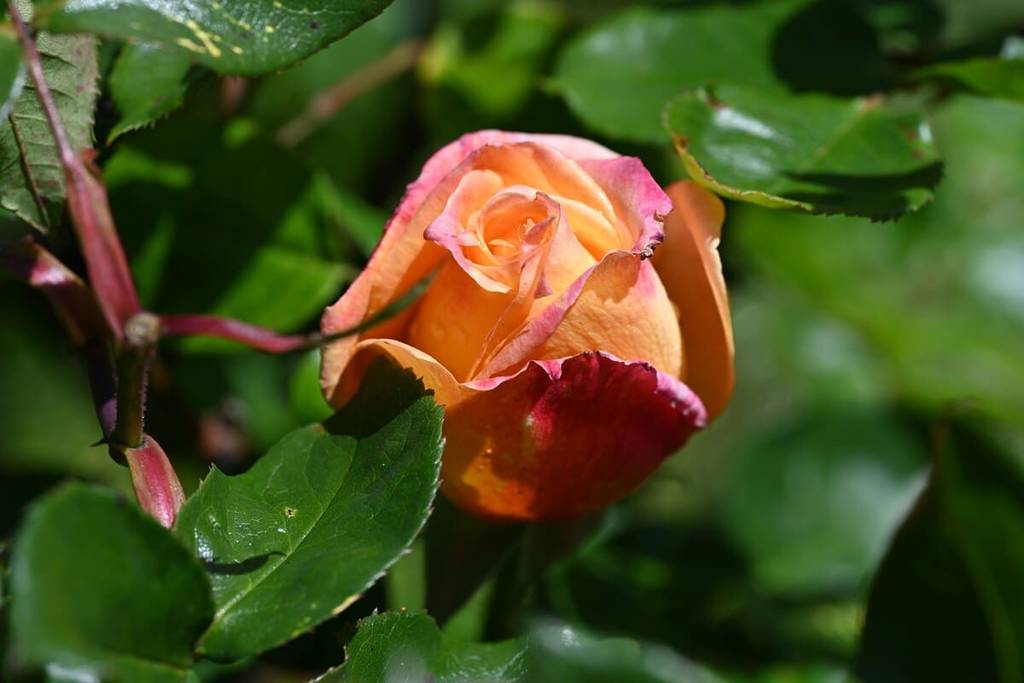
Rome is preparing to celebrate another, unexpected chapter of natural beauty: the reopening of the Rome Capital Rose Garden. After the exuberance of spring, the famous historic garden—set against a breathtaking backdrop near the Circus Maximus
—opens its fall season, offering visitors the chance to admire rose varieties with longer reblooming cycles.
Heirloom roses, modern varieties, and colorful berries
Access to the Rose Garden will be granted for a limited time, from October 25 to November 8, 2026
. Visitors can stroll through the flower-lined paths every day, including holidays, with continuous hours from 8:30 a.m. to 5:30 p.m.
Admission remains, as always, completely free
.
This season’s spotlight is on the hardiest and most prolific species, such as the enchanting Chinese roses, the delicate tea roses, and modern hybrids. These cultivars stand out for their ability to bloom several times a year, adding intense splashes of color that complement the warm tones of the autumn foliage.
A Botanical Sanctuary of International Prestige
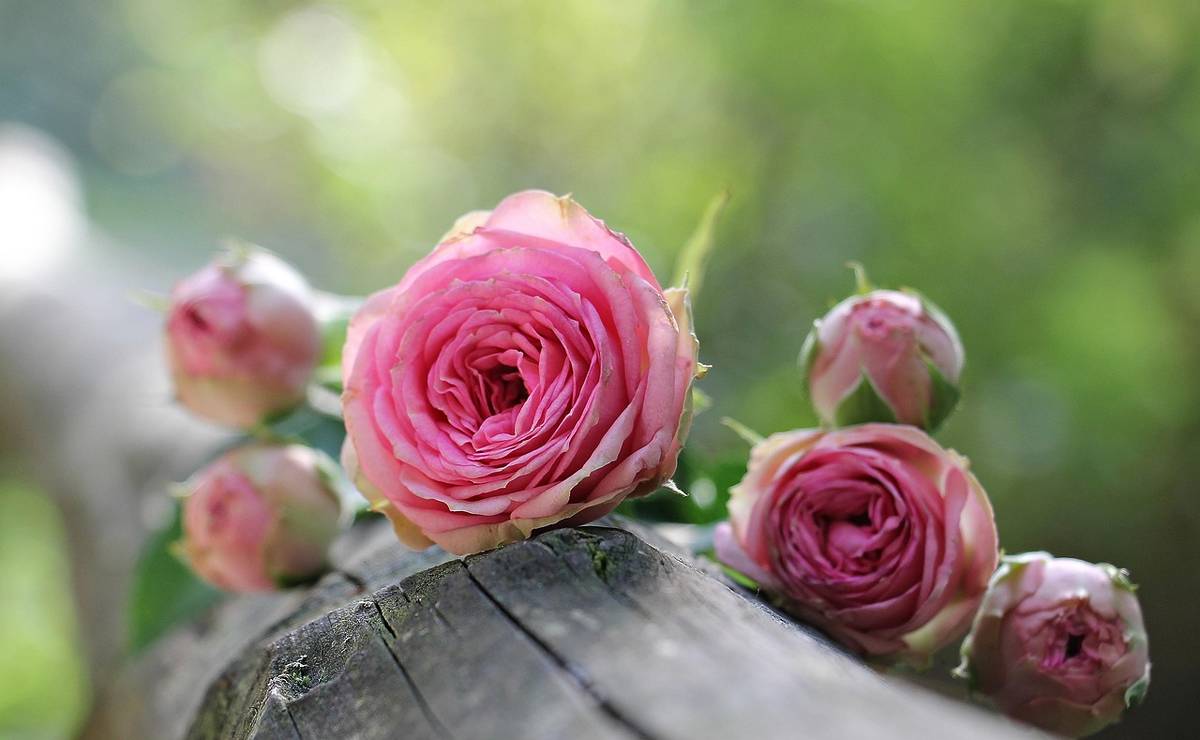
The Rose Garden is not just a garden, but a veritable living archive that preserves approximately 1,100 species of roses, collected from every continent: from remote Asia to southern Africa, passing through classical Europe. The site houses rare specimens, including botanical fossils dating back some forty million years.
The history of the Rose Garden is deeply intertwined with that of Rome. The area was once sacred to Flora, the goddess of flowering, and hosted spring celebrations in her honor. In the 17th century, the area was designated as a garden and cemetery for the Jewish community.
When the current municipal rose garden was inaugurated in 1950, it was decided to pay tribute to the site’s history. For this reason, the layout of the paths separating the flowerbeds in the collection section traces the outline of the Menorah, the sacred seven-branched candelabrum, a symbol of Judaism.
Where to See It
: Via di Valle Murcia, 6, 00153 Rome.
Current Access
: The entrance is temporarily located at Clivo dei Publicii 3.