If you love Greece but don’t feel like or don’t have time to take a plane, here is a place for you that can be reached by car from Rome. Where the Grosseto Maremma meets the borders of Lazio, there is a village that seems suspended between the green of the Mediterranean scrub and the blue of the Tyrrhenian Sea. About 127 km from the capital.
Why is it called “Little Athens”?
Capalbio, nicknamed “Little Athens” by literary critic Asor Rosa, is not only a tourist destination but a true refuge for the soul. This name is not linked to classical Greek architecture but to the cultural and social role that the village has assumed since the 1970s and 1980s.
Formerly known as Capo Bianco, due to its white rocks, it borders the Lazio municipality of Montalto di Castro. It is a well-known seaside resort, frequented by politicians and famous faces from the world of entertainment. Over the years, the Ultima Spiaggia beach club has become a favorite meeting place for Italian intellectuals, attracted by the seclusion of the golden dunes and the quality of the local cuisine.
A journey through fortifications and legends
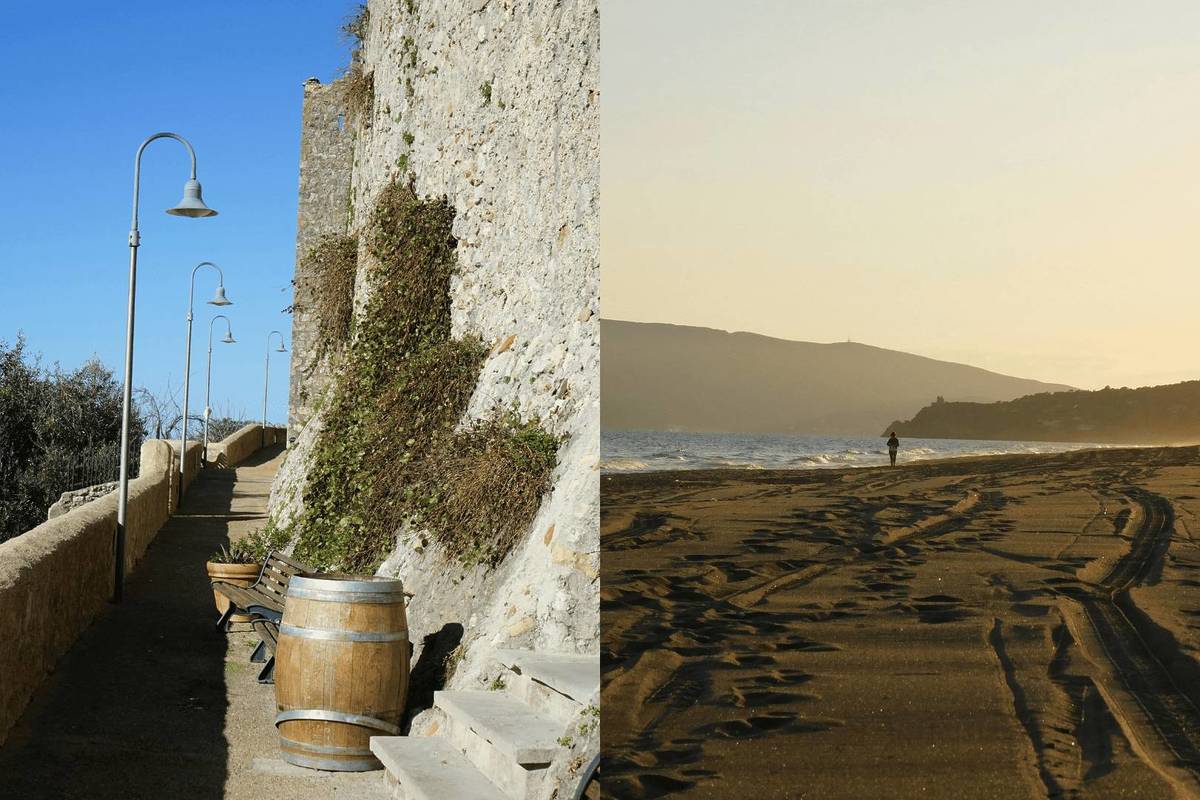
The ancient heart of the village is protected by a double wall, once a bulwark against pirate raids. Walking along these walkways at dawn, you can enjoy a view that encompasses the entire coastline.
The village was donated by Charlemagne to the Roman monks of Tre Fontane, before passing under the control of the powerful Aldobrandeschi and Orsini families.
Capalbio has always attracted great personalities. Inside Palazzo Collacchioni, annexed to the Rocca Aldobrandesca ( the highest point in Capalbio, where you can admire Grosseto from above), is the Conrad Graf piano that Giacomo Puccini loved to play. For this reason, a room in the building has been dedicated to the musician.
Just outside the center, the Oratorio della Provvidenza houses a Madonna considered miraculous by the residents: legend has it that the image always returned to its original place whenever someone tried to move it elsewhere.
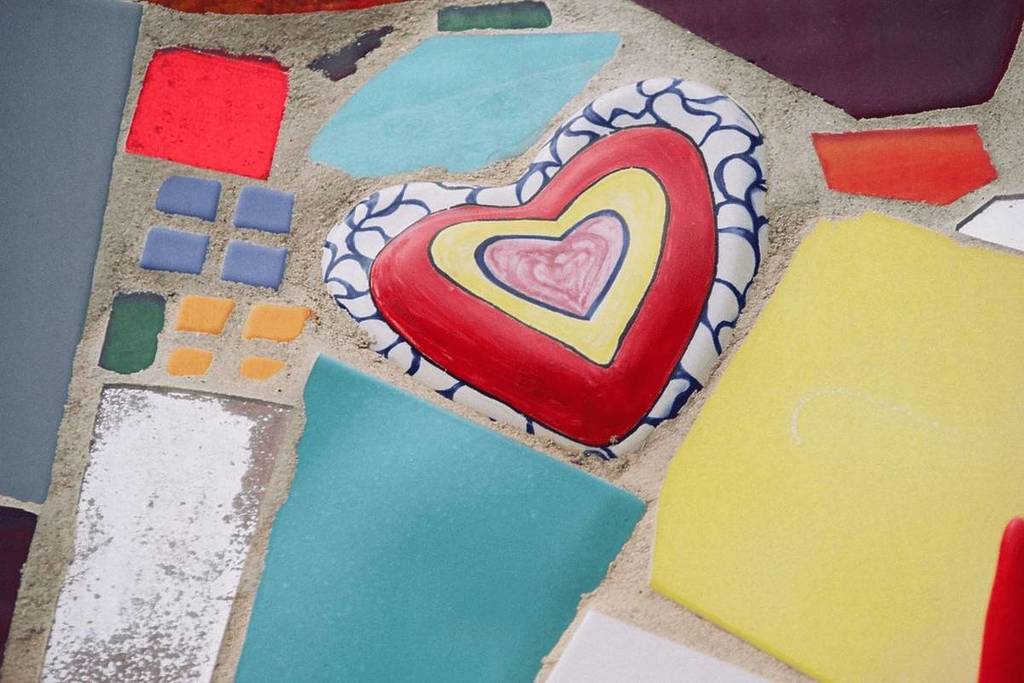
But the real artistic gem of the area remains the Tarot Garden. Created by the genius of Niki de Saint Phalle (a French-American artist) and built with the support of the Caracciolo family, this park is home to 22 cyclopean sculptures covered with mirrors and colorful mosaics. Niki’s women are true warriors fighting for a better world, as stated by Viviana Panaccia, curator of the exhibition dedicated to de Saint Phalle. A dreamlike labyrinth that aims to instill joy.