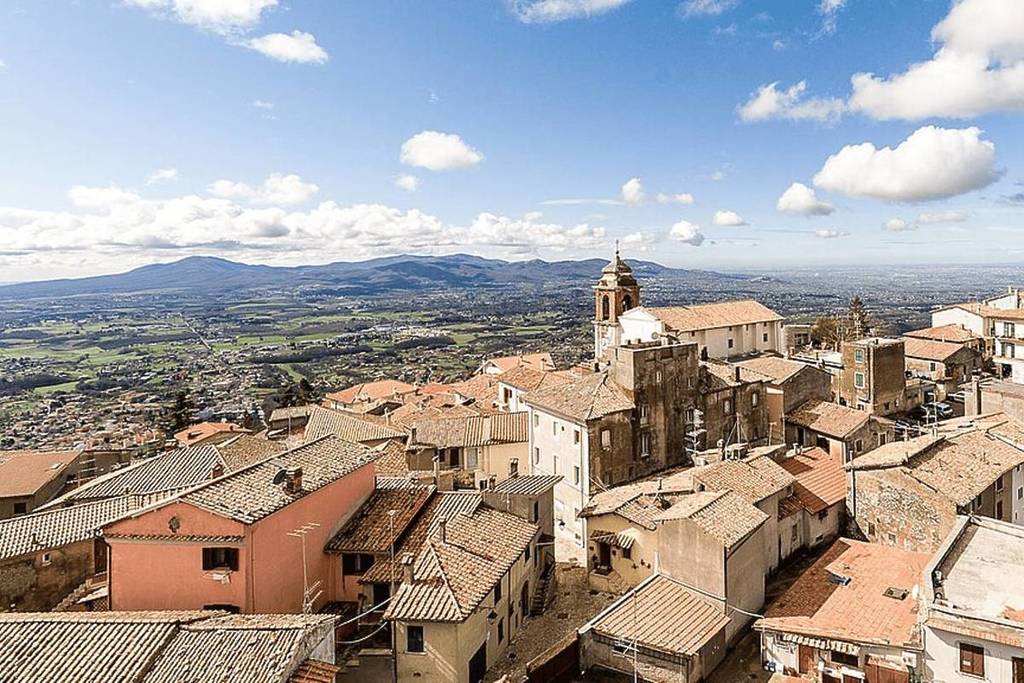
More than just a village, it is an open-air museum that preserves the roots of Lazio civilization and the charm of “Italian comedy.” It is no coincidence that it has been included among the most beautiful villages in Italy.
From the Acropolis of Praeneste to the fiefdoms of the Colonna
The history of this place has its roots in ancient times. The mountain was already inhabited in the Bronze Age, but it was in the 6th century BC that it became the acropolis of ancient Praeneste (today’s Palestrina). Even today, visitors can admire the imposing polygonal walls, enormous dry-stone blocks that surrounded the sacred places dedicated to Jupiter Arcanus.
Over the centuries, the village came under the control of the powerful Colonna family, who built a defensive fortress there. Despite repeated destruction due to clashes with the Papacy, the castle was always rebuilt, finally passing to the Barberini family in the 17th century, who redesigned the urban layout, creating the square and the Church of St. Peter the Apostle, where the remains of the Blessed Margherita Colonna rest.
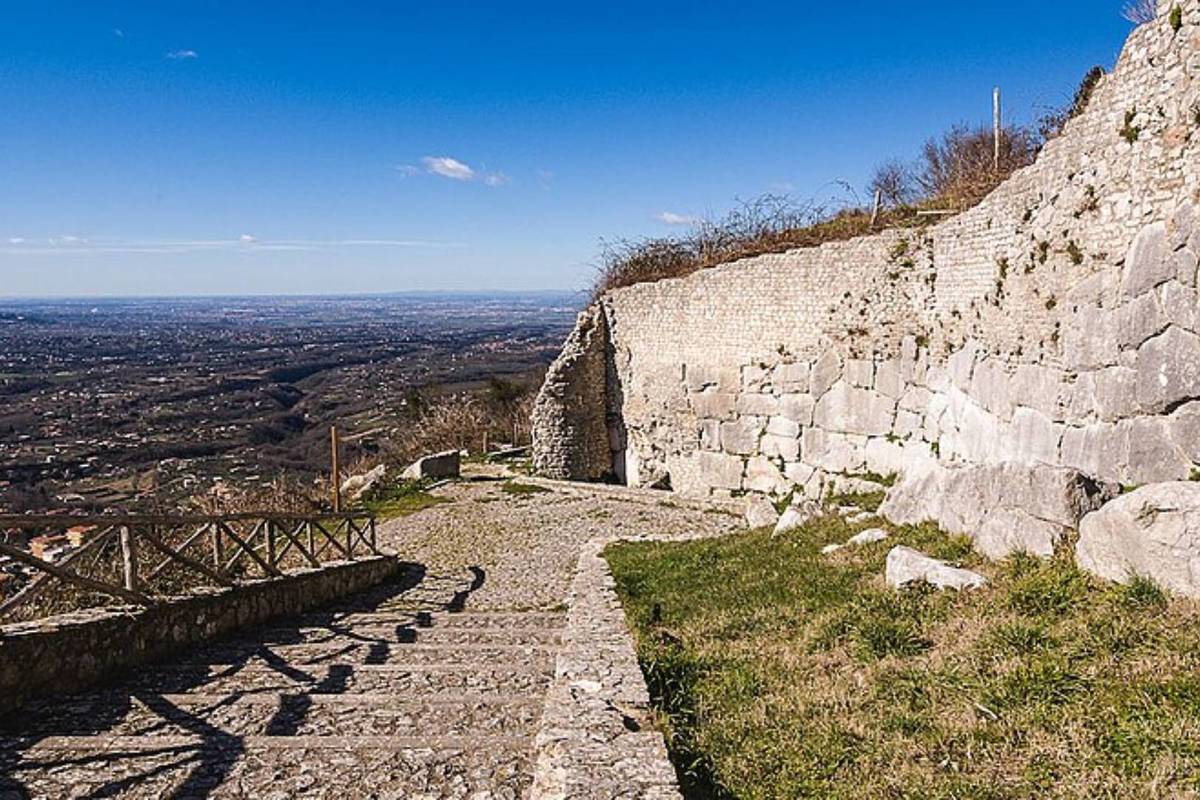 Castel San Pietro Romano Museum, CC BY-SA 4.0, via Wikimedia Commons
Interesting fact: The holy water fonts in the main church were made from ancient Roman altars, a perfect example of how history has been layered here without ever being erased.
We recommend a nice walk in the panoramic garden; the Rocca dei Colonna is the highest point of Mount Ginestro.
Open-air set: the village of “Bread, Love and Dreams”
If the village is now famous throughout Italy, it also owes this to cinema. In the 1950s, the authentic beauty of its narrow streets convinced director Luigi Comencini to shoot his masterpiece “Pane, amore e fantasia” (Bread, Love and Dreams) there, starring Vittorio De Sica and Gina Lollobrigida.
Totò, who has a square dedicated to him, filmed “I due marescialli” in the village.
The Cannuccete Valley and the “Giglietto”
For those who love trekking, at the foot of the town lies the Valle delle Cannuccete, a protected area where wild nature hides the remains of an ancient aqueduct built by Greek craftsmen over two thousand years ago.
What to eat
The Trattoria del Giardino Panoramico is a family-run business that has been in existence for almost 70 years. Here you can find dishes that follow the local cuisine. Castel San Pietro Romano is also known for its sweet treat, now a Slow Food presidium. We are talking about the Giglietto: a biscuit with an unmistakable shape, celebrated every year on the last Sunday in July. In mid-August, the celebrations for San Rocco enliven the village with historical re-enactments and spectacular fireworks.
At Christmas, the Colonna fortress is transformed into a magical village with a life-size artistic nativity scene.