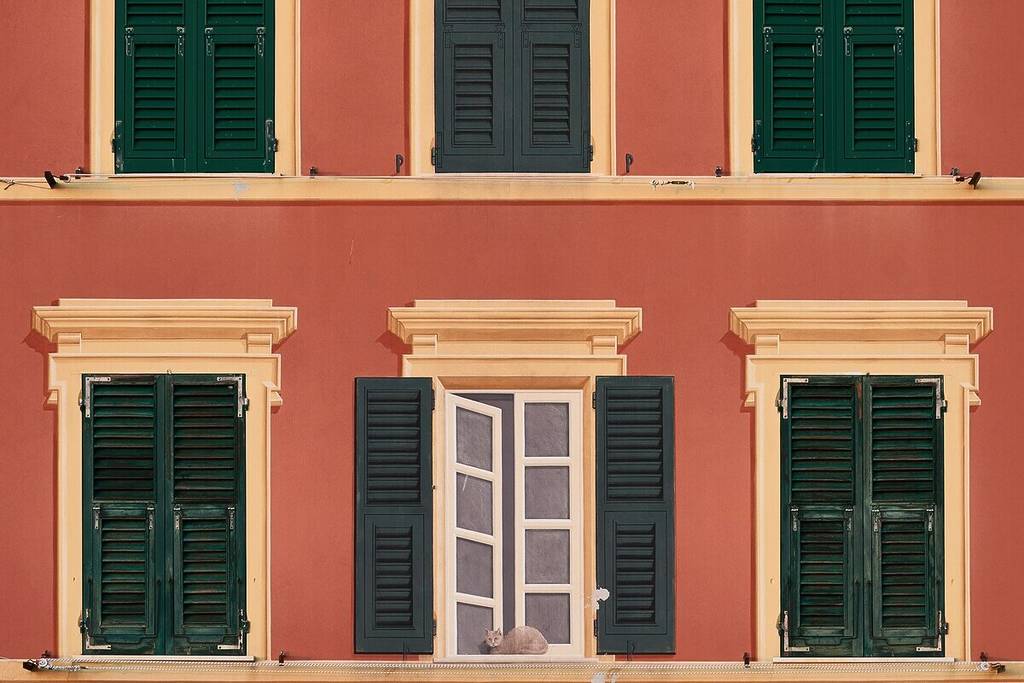
Walking around Rome you may have happened to see windows drawn or bricked in on some old buildings. What is the reason? For the drawings one might think of an artistic motivation but it is not so…
During the eighteenth century in Rome-as in many other Italian and European cities-a tax was introduced on windows, which were considered a true luxury good at the time. That’s right, in those years living in houses with several windows was a privilege. This tax forced property owners to pay an amount proportionate to the number and sometimes the size of the windows in their homes. The tax objective was to hit the wealthiest citizens, who owned buildings rich in light openings, the most, while more modest dwellings were often exempted or taxed only above a certain threshold (e.g., from the sixth window onward).
The mechanism was simple: the more windows a house had, the higher the tax due, since windows provided light and air, goods interpreted precisely as signs of affluence. If you pay attention to the palace of the Marchese del Grillo, at Piazza del Grillo 5 ( Monti district), you will notice the amount of windows, one attached to the other, probably built to flaunt his wealth.
The consequences of the tax
In order not to pay large sums, many owners decided to wall up some existing windows.
How did the “fashion” of drawing windows come about? In order to maintain the symmetry of facades and respect aesthetic taste, the practice of painting “fake windows” using the trompe-l’œil (fool the eye) technique became widespread.
Today the window tax no longer exists; however, it has remained in the collective memory as an example of a “creative” and, at times, harmful (less light and air in homes) tax.
Fun fact: The history of this tax also explains some peculiarities of facades in old buildings and helps us understand why, in Italian, the window sash is also called a “tax”: a term derived from this very special tax levy.