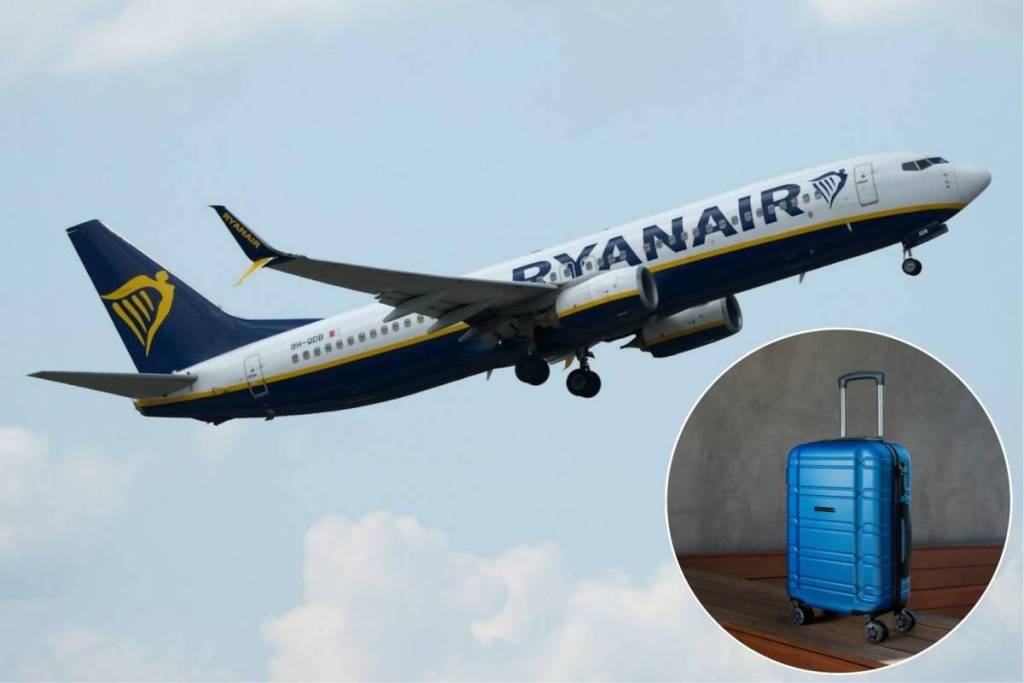

It’s the same story every time: you book a flight for €20, get to checkout, and discover that your carry-on bag costs more than the ticket itself. Starting today, this trick has an expiration date.
The European Union has given the green light to the biggest reform of air passenger rights since 2004, and it brings significant changes for anyone who flies.
When you buy a flight, the price you see is the price you pay

Here’s the good news for frequent flyers who hate surprises at checkout. The price shown upfront must include a small carry-on bag and a personal item, such as a backpack or purse.
In other words: no more bait-and-switch fares that look like a bargain but then double when you add baggage and cabin fees. Those who don’t need a carry-on bag can still choose a lower fare, but the “real” price must be clear from the very first click.
No more paying to sit next to your children
The rule is simple: airlines will no longer be allowed to separate children under 14 from the adult accompanying them. And they’ll have to assign adjacent seats for free.
Until yesterday, that surcharge often cost between €8 and €15 each way. Multiplied by a round trip and multiple children, the bill quickly added up.
The same protections apply to passengers with disabilities, those with reduced mobility, and pregnant women, who will be entitled to a suitable seat at no additional cost.
Refunds remain in place (and that was by no means a given)
The most contentious part of the new EU regulation on flights concerned refunds, which several countries wanted to weaken by raising the threshold beyond three hours. In the end, the passengers’ position prevailed.
If your flight is delayed by more than three hours, you’re still entitled to compensation ranging from €250 to €600, depending on the distance: €250 for flights up to 1,500 km, €400 for flights in between, and €600 for longer flights. This also applies to cancellations and overbookings, except in exceptional circumstances such as bad weather.
And there’s more: airlines will have to actively explain how to request a refund, instead of hoping you’ll forget about it. No more surcharges, either, for correcting a typo in the name on your ticket, and an end to the “no-show” clause that canceled your return flight if you missed the outbound flight.
When do the new European flight regulations take effect?
Here’s a dose of reality. The European Parliament has already approved the reform; all that’s left is the final formal step by the Council, expected in the coming weeks, followed by publication in the Official Journal. From there, after a transition period, the new rules will become fully effective—likely sometime in 2027.
And if you’re flying out of Fiumicino or Ciampino with a European airline, these protections apply directly to you—whether you’re heading to Lisbon for a long weekend or taking your August vacation.
In short, the next time you book, the airline’s app will have one less trick up its sleeve to lighten your wallet. And for once, in Rome as in the rest of Europe, Brussels is on the side of travelers.